THE LONG READ · THE LONG READ · THE LONG READ
BEFORE WE BEGIN
A CHORUS IS
NOT A BIOGRAPHY.
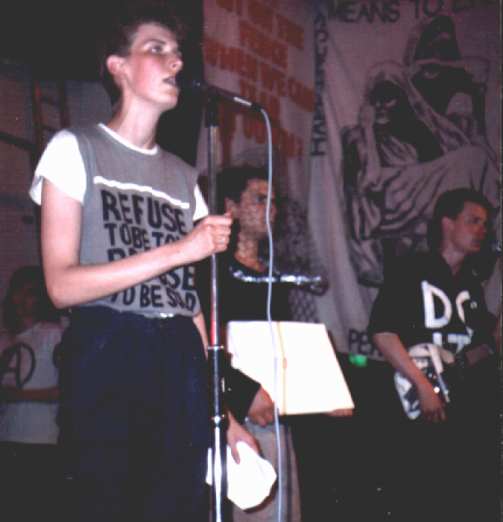
To much of the world, Chumbawamba arrived fully formed in 1997, shouted one immortal refrain, and disappeared behind the bar. The truth is stranger and much better: fifteen years of collective living, benefit shows, home-made records, arguments, sampling, theatre, folk music, and anarchist politics came before the hit—and another fifteen years of reinvention followed it.
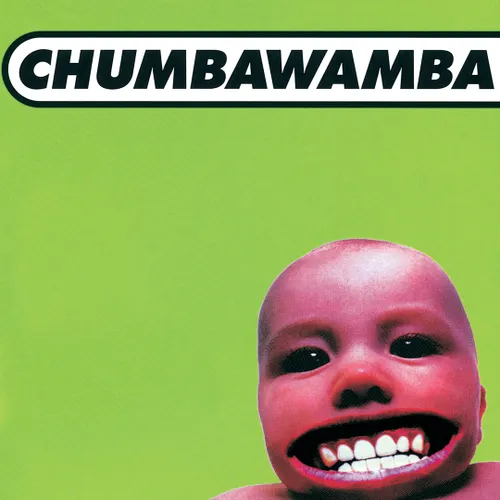
Tubthumper is the hinge. It sounds polished because the band had become very good at making pop; it sounds unruly because eight people kept pulling it in different directions. House piano meets brass-band melancholy. Football-terrace voices collide with news audio. Sweet harmonies carry sharp questions.
Signing to EMI looked like a contradiction—and the band knew it. The calculation was not that politics no longer mattered, but that millions more ears might hear them. Success did not resolve the contradiction. They turned it into material, inviting fans to argue, laugh, dance, and look past the chorus.
“Not chaos: a fiercely organized collective, using pop’s machinery without pretending the machinery was innocent.
AFTER THE LAST CHORUS
THE HIT SURVIVED.
SO DID THE IDEAS.
“Tubthumping” escaped every context placed around it: miners, pub culture, football terraces, radio formats, sports arenas, memes. That escape can flatten the band into a punchline—but it also proves their craft. They built a chorus people could use.
The deeper catalogue rewards anyone who follows the noise backward and forward: the cut-and-paste fury of Shhh, the pop architecture of Anarchy, the media maze of WYSIWYG, the luminous folk harmonies of Readymades and A Singsong and a Scrap.
Maybe the most Chumbawamba thing is not getting knocked down. It is refusing the story somebody else wrote about you, then inviting seven friends to rewrite it together.